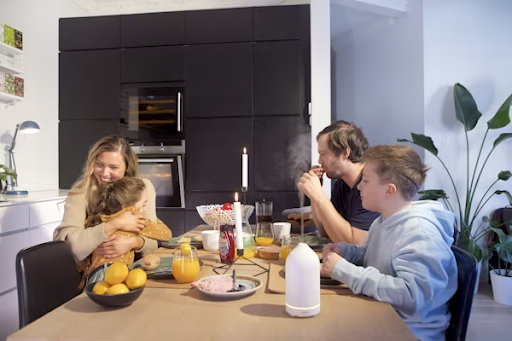
As the weather cools down and we spend more time indoors, many of us start noticing the little (and not-so-little) things about our homes that could use some attention. Whether it’s that outdated kitchen that’s seen better days, the lack of a cosy gathering spot, or the constant battle with meal prep in a space that just doesn’t work anymore, there’s something about this time of year that makes us dream of home improvements.
I’ve spoken to countless mums in our community who share the same story: they’ve been putting off updates for years, convinced that home renovations are too expensive, too disruptive, or simply too overwhelming to consider with kids running around. But here’s what I’ve learned – creating a home that truly works for your family doesn’t have to be an all-or-nothing proposition. Smart, strategic updates can transform your daily life without turning your house into a construction zone for months on end.
In this guide, I’m sharing practical insights on how to approach home improvements that actually matter for busy families. From understanding what goes into major kitchen updates to discovering clever solutions for heating and cooking, these are the changes that can make your house feel like the haven you’ve always wanted it to be.
Why Now Is the Perfect Time to Rethink Your Space
There’s something about the shift in seasons that brings clarity. When we’re stuck inside more often, we notice every inconvenience, every inefficiency, and every missed opportunity in our homes. That cramped kitchen where three people can barely stand? It becomes glaringly obvious when everyone’s home for dinner. The cold living room that no one wants to use? Suddenly it’s the elephant in the room (a very chilly elephant).
But beyond the seasonal discomfort, there’s actually solid reasoning behind tackling home improvements now rather than waiting for the mythical “perfect time” that never seems to arrive. For one, contractors and tradespeople often have more availability during the cooler months compared to the spring rush. This can mean better rates, more attention to your project, and faster completion times.
More importantly, making changes now means you’ll be set up for success for the rest of the year. Imagine getting through winter in a beautifully updated kitchen where cooking is actually enjoyable, or gathering around a stunning fireplace feature instead of huddling under blankets on the couch. These aren’t just aesthetic upgrades – they’re quality-of-life improvements that benefit the whole family.
The Kitchen Conundrum: Where to Start and What to Expect
Let’s talk about the room that causes the most stress and the most joy in equal measure: the kitchen. It’s where homework happens at the counter, where family recipes get passed down, where that first cup of coffee brings you back to life each morning, and where you inevitably end up chatting with guests at every gathering despite having a perfectly good living room.
If your kitchen isn’t working for your family, it affects everything. I can’t count how many conversations I’ve had with other mums who feel guilty spending money on themselves but would happily invest in a kitchen that makes daily life easier. The thing is, a kitchen renovation isn’t really about you – it’s about creating a functional space that serves your entire family better.
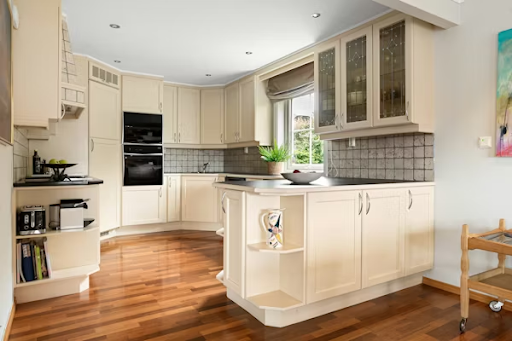
Before diving into any major decisions, it’s crucial to understand the financial landscape. The reality is that kitchen updates can range dramatically depending on your scope, choices, and existing setup. You might spend a modest amount on a cosmetic refresh, or you could invest significantly more in a complete overhaul with new appliances, cabinetry, and layout changes.
One of the smartest first steps is getting clear on realistic numbers for your area. For Melbourne families especially, understanding the kitchen renovation cost breakdown helps you plan properly and avoid those nasty mid-project surprises that can derail your budget and your sanity. Knowing what different elements contribute to the overall price – from cabinetry and benchtops to plumbing and electrical work – empowers you to make informed decisions about where to splurge and where to save.
Here’s what I’ve learned from friends who’ve been through renovations: the upfront research is worth its weight in gold. Those who jumped in without proper planning often regretted their choices or ended up spending far more than necessary. Meanwhile, those who took time to understand costs, gather multiple quotes, and plan strategically were thrilled with their results and stayed on budget.
Consider what matters most to your family’s daily routine. Do you need more prep space because you’re constantly battling for counter room? Would better storage eliminate the breakfast rush chaos? Is an outdated layout preventing multiple cooks from working together? These practical concerns should drive your renovation decisions far more than trending design aesthetics.
Creating Warmth Without the Traditional Fireplace Hassle
Once you’ve got the kitchen sorted (or at least planned), let’s talk about another game-changer for family homes: creating cosy gathering spaces. There’s something primal about gathering around warmth that brings families together. It’s why everyone ends up in the kitchen – it’s warm, there’s food, and there’s something inherently comforting about the space.
But what if you could create that same welcoming warmth in your living areas? Traditional fireplaces are lovely, but they come with a hefty list of drawbacks that make many families think twice. The installation costs can be astronomical, requiring extensive construction, proper ventilation, and chimney installation. Then there’s the ongoing maintenance – cleaning out ash, scheduling annual inspections, and dealing with smoke and soot.
For families in apartments or homes without existing fireplace infrastructure, traditional options often aren’t even possible. But that doesn’t mean you have to give up on the dream of a cosy fireside gathering spot.
This is where modern solutions really shine. Today’s ethanol fireplaces offer all the ambiance of traditional fire without the complications. They’re completely ventless, requiring no chimney or flue, which means you can install them in virtually any room without major construction work. They produce real flames and genuine heat, creating that authentic fireplace experience that everyone loves.
What makes these particularly appealing for busy families is the practicality factor. There’s no wood to chop or store, no ash to clean up, and no smoke or soot to worry about. You simply add the bioethanol fuel, light it, and enjoy. When you’re done, you extinguish the flame – no waiting for embers to die down or worrying about sparks.
Safety is naturally a top concern for any parent, and modern ethanol units are designed with this in mind. They include safety features like sturdy construction, stable bases, and proper fuel containment. Of course, like any heating element, they require supervision around children, but they eliminate many of the risks associated with traditional wood-burning fires.
The design versatility is another huge plus. Whether you want a sleek, modern wall-mounted unit, a freestanding feature piece, or something that fits into an existing fireplace cavity, there are options to suit every space and style. This means you can create that cosy focal point in your living room, add warmth to a chilly outdoor entertaining area, or even make a bedroom feel more luxurious.
From a practical standpoint, the installation simplicity cannot be overstated. Many units require no professional installation at all – they’re essentially furniture pieces that you position and use. This means no permits, no construction dust, and no weeks of disruption. For families trying to minimize chaos, this is invaluable.

Modernising Your Cooking Game: The Induction Revolution
Right, let’s circle back to the kitchen for another practical upgrade that’s making waves in family homes everywhere. While you’re thinking about your kitchen space, it’s worth considering not just the layout and aesthetics, but also how you actually cook.
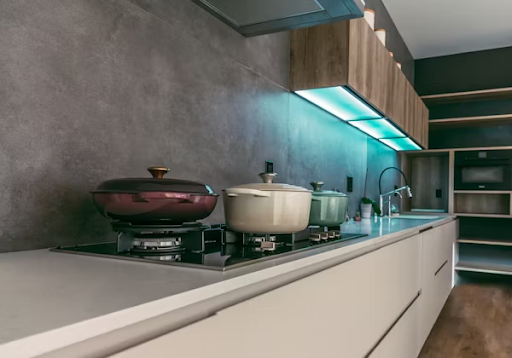
If you’re still using traditional electric or gas cooktops, you’re missing out on technology that can genuinely transform your daily cooking routine. Induction cooking has moved from professional kitchens into family homes, and for good reason. It’s faster, safer, more energy-efficient, and easier to clean than traditional cooking methods.
Here’s the catch that many people don’t realize until they’re standing in their beautiful new kitchen, ready to cook their first meal: induction cooktops require specific cookware. Your beloved old pots and pans might not work, which can be a frustrating discovery after investing in a new cooktop.
The good news? Upgrading to quality induction ready cookware is far less expensive than you might think, and the benefits extend beyond just compatibility with your cooktop. Modern induction cookware is designed for superior heat distribution, durability, and versatility – meaning they’ll work beautifully on gas or electric stoves too if you haven’t made the induction switch yet.
What makes induction cooking so appealing for families? Start with safety. The cooktop itself doesn’t get hot – only the pan does. This means fewer burns from accidentally touching a hot surface, and it’s safer when curious little hands are around. The second you remove the pan, the cooking stops, eliminating many of the fire risks associated with traditional cooking methods.
Speed is another major advantage. Water boils significantly faster on induction, which means less time standing around waiting and more time for everything else on your endless to-do list. When you’re trying to get dinner on the table while helping with homework and managing the evening chaos, those saved minutes add up.
The precision control is remarkable too. You can adjust temperatures instantly, making it easier to follow recipes accurately and avoid those “I turned away for one second and it boiled over” disasters we’ve all experienced. This precision is particularly valuable for tricky cooking tasks like melting chocolate, making sauces, or searing meat perfectly.
Cleaning is where induction really wins though. Since the cooktop surface doesn’t get hot, food doesn’t burn onto it. A quick wipe with a cloth after cooking is usually all it takes. No more scrubbing at baked-on messes or dealing with grates and drip pans.
When choosing cookware, look for quality pieces that will last. Stainless steel with a magnetic base, cast iron, and certain enameled options all work beautifully. You don’t need to replace everything in your kitchen at once – start with the essentials you use most frequently and build from there.
Making Smart Investment Decisions for Your Home
At the end of the day, every home improvement decision comes down to balancing desires, needs, and budget. The key is approaching these projects strategically rather than impulsively, and thinking about long-term value rather than just immediate gratification.
Start by assessing what truly bothers you about your current space. Write it down. Is it purely aesthetic, or are there genuine functional problems affecting your daily life? Functional issues should take priority – they’re the ones causing actual stress and inconvenience every single day.
Next, consider timing and sequencing. Some projects make sense to tackle together. If you’re renovating your kitchen, that might be the perfect time to upgrade your cooktop and invest in new cookware. The disruption is already happening, so you might as well maximize the transformation. Similarly, if you’re refreshing your living room, adding a fireplace feature as part of that project creates a cohesive design vision.
Don’t forget to think about how these improvements affect your home’s value and appeal. While you shouldn’t make decisions purely based on resale value (you live here now, after all), it’s worth noting that updated kitchens, quality fixtures, and desirable features like fireplaces are strong selling points if you do eventually move.
Budget realistically and build in a contingency. Every renovation uncovers surprises, and having a buffer prevents panic when unexpected costs arise. It’s also worth spending a bit more on quality where it matters – that bargain cooktop might save money initially, but if it needs replacing in three years, it’s not actually economical.
Consider the disruption factor with kids in the house. Some projects are minimally invasive (hello, installing an ethanol fireplace), while others require more upheaval. Plan around school holidays if possible, or break larger projects into smaller phases that are more manageable with family life continuing around them.
Your Home, Your Haven
Creating a home that works beautifully for your family isn’t about perfection or keeping up with anyone else’s renovation journey. It’s about making thoughtful choices that genuinely improve your daily life, reduce stress, and create spaces where your family wants to spend time together.
Whether you’re dreaming of a complete kitchen transformation, looking for ways to make your home cosier and more inviting, or simply wanting to modernize your cooking setup, the key is starting with good information and realistic expectations. Take time to research, gather quotes, and understand what you’re getting into before committing to any project.
Remember, you don’t have to do everything at once. Small, strategic improvements can have remarkable impact. Perhaps you start with understanding renovation costs and planning your dream kitchen. Maybe you add that fireplace feature that transforms your living room from cold and unused to the favourite family gathering spot. Or possibly you begin by upgrading your cookware and discovering how much easier meal prep becomes.
The most important thing is that you’re creating a home that serves your family well – a space that supports your routines, reflects your style, and brings you genuine joy. That’s not indulgent; that’s essential. You spend more time in your home than anywhere else. Shouldn’t it be exactly what you need it to be?
So take that first step. Do the research, get the quotes, ask the questions, and start planning the improvements that will make the biggest difference in your daily life. Your future self (and your family) will thank you for it every single day.
Creating a Home That Works for Your Family: Practical Updates That Make All the Difference