
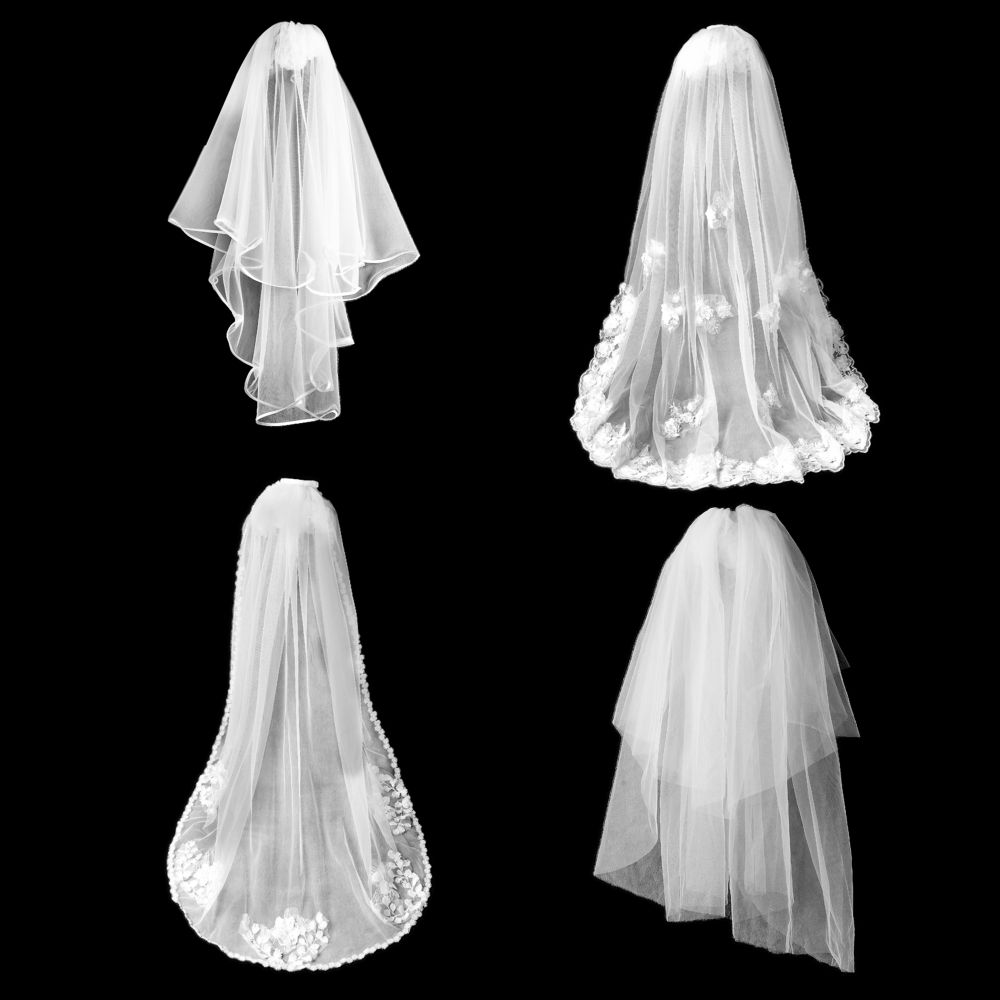
Selecting a wedding veil can be a crucial decision in finalising your bridal look. Far from being a mere accessory, the veil serves as a powerful symbol and a stylistic exclamation point. The perfect veil can harmonise with the wedding gown, complement the ceremony and reception setting, and authentically reflect the bride’s personal aesthetic. Navigating this choice requires careful consideration of several key elements to ensure a cohesive and breathtaking result.
Here’s how to pick a wedding veil that matches your dress, venue, and style:
Harmonising Veil and Gown
The primary relationship to consider is between the veil and the wedding dress. The following should directly inform the veil selection:
- Dress Embellishment: A fundamental rule is to let the dress take the lead. If your gown features intricate lace appliqué, heavy beading, or three-dimensional embroidery, a simpler veil can help prevent visual competition. A plain tulle veil, perhaps with a finely rolled edge, allows the craftsmanship of your dress to shine. Conversely, a simple, unadorned gown, like a classic silk column or an elegant satin A-line, can provide a perfect canvas for a more elaborate veil. A fingertip-length veil with scattered crystal motifs or a delicate lace border can also introduce texture and sparkle without overwhelming the ensemble.
- Silhouette and Length: The veil’s length should complement the shape and train of your dress. A cathedral-length veil, dramatic and formal, pairs beautifully with a gown featuring a long train, creating a breathtaking procession. For a ballgown or an A-line dress with significant volume, a longer veil typically works better than a short, flirty one, which can appear disproportionate. A tea-length or ballerina-style dress pairs exquisitely with a shorter, whimsical veil like a birdcage or a blusher. For a sleek, modern sheath or mermaid gown, a waltz (or fingertip) length veil can maintain the clean lines while adding a touch of softness.
- Neckline Considerations: The placement of the veil at the head can interact with your gown’s neckline. A detailed, multi-tiered veil can clash with a high-neck or detailed halter gown. Conversely, a simple, single-layer tulle veil can complement virtually any neckline, from a dramatic plunge to a sophisticated portrait collar.
However, if you want to know more about how to harmonise your chosen veil with your gown, you can explore specialised online resources to find the best wedding veil for your dress and obtain valuable insights.
Aligning Veil with Venue and Formality
Your wedding’s location and level of formality are crucial, yet often overlooked, factors in selecting a veil. The veil should feel appropriate for the environment. Below are some factors to consider:
Grand and Formal Affairs
If you want a traditional church ceremony or a luxurious ballroom reception, the setting can accommodate and even demand more dramatic veils. Cathedral or chapel-length veils, often with multiple layers or elaborate embellishments, align perfectly with the grandeur of such venues. The sweeping train of the veil can also add a regal, timeless quality to the procession.
Outdoor and Rustic Weddings
If you prefer a garden, vineyard, or beach wedding, practicality and theme become important considerations. Long, heavy veils can be cumbersome in a breeze and may drag on the ground. A fingertip or elbow-length veil offers elegance without the hassle. For a boho-chic aesthetic, a veil with a raw-cut edge or a floral appliqué cap can beautifully echo the natural surroundings. A barn or rustic wedding might also be the perfect occasion for a vintage-inspired birdcage veil, which adds a touch of retro glamour without being too long.
Modern and Minimalist Settings
In an urban loft, an art gallery, or a city hall ceremony, the vibe is typically chic and streamlined. A long, simple, unadorned veil in a single layer of silk tulle can be profoundly elegant. Alternatively, a sleek face-framing blusher or a very short flyaway veil can add a bridal touch while maintaining a modern, minimalist edge.
Reflecting Personal Style

Ultimately, the veil is an extension of your personality. It’s an opportunity to express individuality within the bridal tradition. The following are bridal styles to keep in mind:
The Classic Bride
If you’re a bride with a traditional style, you may opt for a two-tier veil with a blusher, embodying a timeless and romantic look. Ivory or white tulle with a pencil or wire-edged trim offers a clean, polished finish.
The Bohemian Bride
If you’re a boho bride, you might gravitate towards veils with unique details. Think of veils with delicate, hand-embroidered motifs, subtle floral lace, or even a faint, ethereal colour wash like blush or champagne. A circlet or crown attachment, as opposed to a traditional comb, can also enhance a free-spirited aesthetic.
The Modern Bride
If you’re a fashion-forward bride, architectural elements are key, reflecting a vision that extends beyond the wedding day to the life being built. Just as you and your partner might seek clean lines and innovative design in creating your first home, this bride’s accessories mirror that same intentionality. A veil with a geometric trim, a bold, contrasting ribbon edge, or an unexpected colour can make a striking statement about a future built on distinctive taste. Some may even forgo a veil entirely in favour of a dramatic hairpiece, a testament to a confident, curated style.
The Romantic Bride
If you’re a bride dreaming of a soft, fairytale look, you might choose a veil with scattered pearl or sequin accents, a layered cut, or a delicate, whisper-thin tulle that creates a soft haze around the figure.
Key Takeaway
Selecting the ideal wedding veil is a thoughtful process of synthesis. By carefully considering the factors mentioned above, you can choose a veil that complements your look and becomes an integral and memorable part of your wedding day story. The perfect veil feels like a natural and beautiful extension of your bridal self.


