There’s something liberating about simplifying your living space. Whether you’re downsizing after the kids have flown the nest, making a tree change, or simply seeking a more manageable lifestyle, moving to a smaller home doesn’t mean compromising on comfort or style. In fact, many families discover that compact living brings unexpected joys: less time spent cleaning, lower bills, and a chance to focus on what truly matters.
The Eastern Suburbs housing market has seen a growing trend toward well-designed smaller homes and apartments that maximise every square metre. These spaces challenge us to be creative, intentional, and smart about how we live. But here’s the thing: downsizing successfully isn’t just about having less stuff. It’s about curating your belongings, choosing the right furniture, and creating a home that feels spacious, functional, and unmistakably yours.
If you’re contemplating this transition or already in the thick of it, you’re probably grappling with questions. How do you decide what to keep? What furniture works best in tighter quarters? How can you maintain your lifestyle without all that extra space? Let’s walk through this journey together, from the planning stages right through to settling into your beautifully organised new home.
Planning Your Downsizing Journey
The decision to move to a smaller home rarely happens overnight. Perhaps you’ve been thinking about it for months, weighing the pros and cons, calculating costs, and daydreaming about a simpler life. Once you’ve made the decision, though, the real work begins and it starts with honest assessment and careful planning.
Begin by measuring your new space meticulously. I can’t stress this enough: those thirty centimetres you miscalculated could mean the difference between a sofa that fits perfectly and one that blocks a doorway. Create a floor plan, even if it’s just a rough sketch on graph paper. Mark out doorways, windows, power points, and any architectural features that might affect furniture placement.
Next comes the sometimes emotional task of sorting through your belongings. It helps to create four categories: definitely keeping, probably keeping, donating/selling, and rubbish. That “probably keeping” category is your buffer zone, the items you’re not quite ready to part with but might reconsider after a second look. Be realistic about what you’ll actually use in your new space. That treadmill you haven’t touched in two years? The formal dining set you only use at Christmas? These are prime candidates for rehoming.
One of the smartest decisions you can make during this process is engaging professional help for the actual move. The logistics of relocating even to a smaller space can be overwhelming when you’re already dealing with the emotional aspects of downsizing. This is where experienced professionals like bbcremovals can make all the difference. They handle the heavy lifting, literally and figuratively, ensuring your belongings arrive safely while you focus on the bigger picture of settling into your new chapter.
Consider timing as well. If possible, try to schedule your move during a less hectic period of your life. Moving house ranks among life’s most stressful events, and combining it with other major commitments can be draining. Give yourself grace and plenty of time to pack properly, label boxes clearly, and perhaps even do a preliminary declutter a few months before your moving date.
Furniture That Works Smarter, Not Bigger
Once you’ve tackled the logistics of moving, the exciting part begins: furnishing your new space. This is where many people stumble, bringing furniture that simply doesn’t suit their new footprint. The key is choosing pieces that serve multiple purposes, fit the scale of your rooms, and contribute to an open, uncluttered feel.
Let’s talk about the living room first, because this is typically where families spend most of their time together. The traditional three-seater sofa might have worked beautifully in your previous home, but in a compact living area, it can dominate the room and create awkward traffic patterns. This is where clever furniture choices really shine.
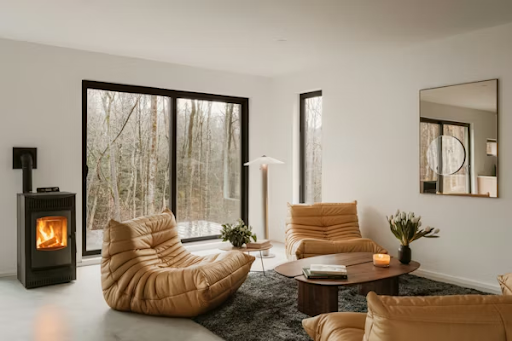
A corner lounge can be an absolute game-changer in smaller living spaces. These L-shaped pieces tuck neatly into corners, making use of space that might otherwise go to waste. They often provide more seating than a traditional sofa while taking up less floor space in the centre of the room. The beauty of a well-designed corner lounge is that it creates a cosy, defined seating area without overwhelming the room. Many modern versions also include storage compartments or sofa beds, adding even more functionality.
When selecting any upholstered furniture for a compact home, consider the visual weight of pieces as much as their physical dimensions. A bulky leather recliner might measure the same as a streamlined armchair, but it will feel much larger in a small room. Look for furniture with exposed legs rather than pieces that sit flush to the floor that visible space underneath creates an impression of airiness and makes rooms feel more spacious.
Scale matters enormously in smaller homes. A coffee table that was perfectly proportioned in your old living room might now block the entire walkway. Consider nesting tables instead they provide surface space when you need it but can be tucked away when you don’t. Ottoman-style coffee tables with hidden storage serve double duty, giving you somewhere to rest your feet and stash magazines, remote controls, and kids’ toys.
Don’t forget about vertical space. In compact homes, thinking upward is essential. Tall, narrow bookcases draw the eye up and provide ample storage without eating into your floor space. Wall-mounted shelving keeps surfaces clear while displaying your favourite items. Floating TV units create storage while maintaining that crucial sense of openness.
The bedroom requires similar strategic thinking. Platform beds with built-in drawers eliminate the need for a separate dresser. If you’re really tight on space, consider whether you truly need bedside tables on both sides of the bed, or if one will suffice. Wall-mounted reading lights free up surface space, and a simple wall-mounted shelf can hold your phone, book, and glass of water just as effectively as a traditional nightstand.
Creating the Perfect Dining Space
The dining area often poses the biggest challenge when downsizing. We’re conditioned to think we need a full-sized dining table, even if we rarely use it for formal meals. The reality is that most families eat casually during the week and only need extra seating occasionally. Your dining solution should reflect how you actually live, not how you think you should live.
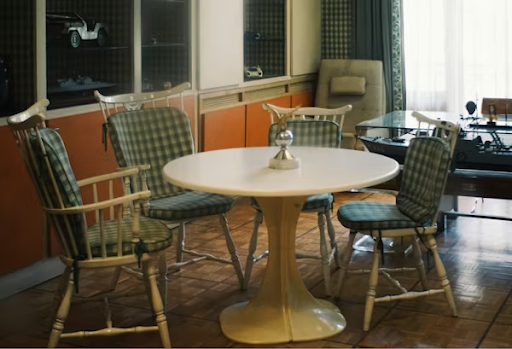
Space-efficient dining doesn’t mean squeezing around a tiny table where your elbows knock against your family’s. It means choosing furniture that scales appropriately to your space and lifestyle. Round or oval tables work beautifully in smaller dining areas because they eliminate sharp corners that can bruise shins and impede traffic flow. They also create a more intimate dining experience, which many families prefer.
If your new home has an open-plan kitchen and living area, consider how your dining furniture relates to the surrounding spaces. The dining area should feel like a cohesive part of the whole rather than an afterthought crammed into a corner. Chairs that can easily slide under the table completely help maintain clear pathways when the table isn’t in use.
Finding the right dining sets for small homes requires balancing size, style, and functionality. Extension tables offer brilliant flexibility compact for everyday use but expandable when you’re hosting. Drop-leaf tables work similarly, with sides that fold down when not needed. Some families even opt for a console table that extends into a full dining table, serving as a hallway piece most of the time but transforming when guests arrive.
Chair selection matters more than you might think. Stackable chairs can be stored in a closet when not needed. Bench seating on one side of the table accommodates more people than individual chairs while tucking neatly underneath when not in use. Transparent acrylic or mesh-backed chairs seem to disappear visually, making the space feel less crowded even when all seats are occupied.
Think creatively about your dining space. If you have a kitchen island or breakfast bar, it might serve as your primary eating area, freeing up what would have been dining space for other purposes. Some families discover they prefer the casual vibe of bar-stool dining and only need a small table for special occasions. There’s no rule that says you must have a traditional dining setup if another arrangement works better for your lifestyle.
Storage within or near your dining area deserves consideration too. A sideboard or credenza provides a home for table linens, servingware, and seasonal items while offering a surface for serving food during gatherings. Wall-mounted cabinets keep dishes and glassware accessible without requiring floor space. Even a simple bar cart can provide mobile storage and serving space that wheels out of the way when not needed.

Maximising Storage and Organisation
Living in a smaller home forces you to be organised, but that’s genuinely a blessing in disguise. When you have limited storage, you quickly learn to keep only what you need and use regularly. Everything else is just clutter taking up valuable real estate.
Start thinking of every space as potential storage. The area under your stairs, the space above doorways, the gap between your kitchen cabinets and ceiling all of these can be utilised with some creativity. Custom storage solutions might seem like an expense, but they’re often worthwhile investments that dramatically increase your usable space.
In the kitchen, drawer dividers and shelf risers help you make the most of cabinet space. Magnetic knife strips free up counter and drawer space. Hanging pot racks turn cookware into attractive displays while keeping them accessible. Consider whether you really need that bulky appliance. Can a multi-function device replace three single-purpose ones?
Bathroom storage challenges everyone in a smaller home. Over-toilet shelving units, corner shower caddies, and wall-mounted cabinets all help contain the chaos of toiletries and towels. Under-sink organisers transform that typically wasted space into efficient storage. Medicine cabinets with mirrored fronts serve double duty without protruding into the room.
Wardrobes require ruthless curation in compact homes. If you haven’t worn something in a year, be honest about whether you ever will. Vacuum storage bags compress off-season clothing into remarkably small packages. Slim velvet hangers take up less rod space than traditional plastic or wooden ones. Shoe organisers on the back of doors keep footwear visible and accessible without requiring floor space.
Embracing Your New Lifestyle
Downsizing is ultimately about more than just reducing square footage; it’s about redefining what home means to you. Many people find that once they’ve settled into their smaller space, they don’t miss the extra rooms at all. Instead, they appreciate the freedom that comes with less maintenance, lower costs, and a more intentional approach to possessions.
Your compact home can be just as comfortable, stylish, and welcoming as any larger house. It might even be more so, because every item has been carefully chosen and every space thoughtfully designed. There’s something deeply satisfying about living efficiently, about knowing exactly what you have and where to find it, about spending your weekends enjoying life rather than maintaining property.
The transition takes time and adjustment, certainly. You might need to be more diligent about putting things away, more selective about what comes into your home, and more creative about hosting gatherings. But these aren’t sacrifices, they’re simply different ways of living, and many families find them surprisingly liberating.
Remember that compact living isn’t about deprivation; it’s about optimisation. With thoughtful planning, smart furniture choices, and a willingness to embrace change, your smaller home can provide everything you need and nothing you don’t. That’s not settling for less, that’s choosing more of what matters.