

There’s something special about walking into a home that just feels right. You know the feeling—where everything seems to work together, where the space welcomes you after a long day, and where your kids can be themselves without you constantly worrying about the mess. As mums, we’re always juggling a million things, and our homes need to keep up with our busy lives while still being places we actually want to spend time in.
The truth is, creating a home that’s both practical and beautiful doesn’t have to mean a complete overhaul or breaking the bank. Sometimes it’s about making smart choices in key areas—the textiles that add warmth, the flooring that handles daily wear and tear, or updating spaces that have seen better days. With winter settling in across Melbourne and the eastern suburbs, now’s actually a perfect time to think about these improvements. The cooler months give us a chance to focus on indoor projects without the distraction of summer activities, and there’s something deeply satisfying about nesting when it’s cold outside.
Let me share some ideas that have worked for families I know, along with some lessons I’ve learned from my own home journey. Whether you’re dealing with tired spaces that need refreshing or you’re simply looking to make your home more comfortable for the season ahead, there are approaches that make sense for real family life.
The Foundation of Comfort: Natural Materials That Last
When you’re raising kids, durability becomes non-negotiable. But here’s what I’ve discovered—durable doesn’t have to mean boring or uncomfortable. Natural materials, particularly when it comes to textiles and soft furnishings, offer something synthetic alternatives often can’t match: they improve with age rather than just deteriorate.
Take wool, for instance. I used to think wool was just for winter jumpers, but it’s actually brilliant for homes with children. It naturally regulates temperature, which means it keeps you warm in winter but doesn’t overheat in summer. More importantly for us mums, it’s naturally resistant to stains and odours. That spilled juice or muddy footprint? Wool’s structure actually repels liquid, giving you time to clean it up before it becomes a permanent reminder of Tuesday afternoon.
What really sold me on wool products for the home was learning about their longevity. Quality wool items can last decades with basic care, which makes them surprisingly economical when you calculate cost per year of use. A wool star product, for example, isn’t just an immediate comfort upgrade—it’s an investment that will likely still be serving your family when your toddler heads off to university.
Beyond the practical benefits, there’s an aesthetic quality to natural fibres that artificial materials struggle to replicate. They have texture, depth, and a way of making a space feel collected rather than decorated. They also work with changing styles rather than against them. That neutral wool throw you buy today won’t look dated in five years the way a synthetic one in this season’s trendy colour might.
For families thinking about sustainability—and let’s face it, most of us are concerned about the world we’re leaving for our kids—natural materials like wool are renewable and biodegradable. When they eventually do reach the end of their life, they won’t sit in landfill for centuries. It’s a small thing, but these choices add up.
Ground Rules: Choosing Flooring That Handles Family Life
Let’s talk about what’s literally underfoot. Your flooring choices impact everything—how your home looks, how it feels, how much time you spend cleaning, and how well it handles the reality of family life. If you’ve got young children, you know the floor takes an absolute beating. Toys get dragged across it, drinks get spilled, muddy shoes track through before you can stop them, and somehow there’s always crumbs. Always.
Hard flooring has its place, especially in high-traffic areas and anywhere near the kitchen. It’s easier to clean, more hygienic, and let’s be honest—spills are inevitable. But a house that’s all hard flooring can feel cold and echoey, especially in winter. That’s where rugs become absolute game-changers. They define spaces, add warmth underfoot, absorb sound, and create cosy zones where kids naturally want to settle down for reading or playing.
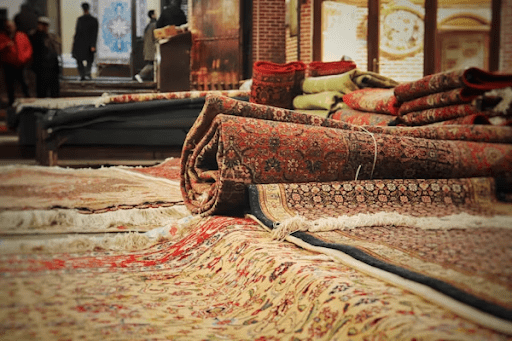
The challenge with rugs in family homes is finding ones that can handle real life. You need something that can survive juice spills, art project mishaps, and the general chaos of childhood, but you also want your home to look pulled together, not like a daycare centre. This is where shopping for online rugs makes so much sense. You can take your time browsing options, check detailed specifications about materials and care requirements, and often find better variety than in physical stores—all while the kids are occupied or after bedtime when you can actually think clearly.
When you’re choosing rugs for family spaces, consider these practical points: look for flat weaves in busy areas because they’re easier to vacuum and don’t trap as much dirt as high-pile options. Natural fibres like wool and jute are more forgiving of stains than you might expect. Patterns and varied colours hide marks far better than solid light colours—I learned this the hard way with a beautiful cream rug that showed every single mark.
Size matters more than most people realise. A too-small rug makes a room feel disconnected and awkward. In living areas, aim for at least the front legs of your furniture to sit on the rug. In dining rooms, you want the rug to extend beyond the chairs even when they’re pulled out. It sounds obvious, but I’ve seen many families (including mine, initially) get this wrong and then wonder why the room doesn’t feel quite right.
Layering is having a moment in design circles, but it’s also genuinely practical for families. A larger, more durable rug as a base with a smaller, softer one layered on top means you can swap out the top layer more easily if it gets really grubby. Kids also love the varied textures for playing, and it adds visual interest without trying too hard.
The Heart of the Home: When Your Kitchen Needs More Than a Clean
Here’s something nobody tells you before you have kids: your kitchen becomes command central for absolutely everything. It’s where homework happens, where craft projects unfold, where important conversations take place over snacks, and where you spend far more time than you ever imagined possible. If your kitchen isn’t working for your family, you feel it every single day.
I’ve spoken with so many mums who feel guilty about wanting a nicer kitchen. They worry it’s superficial or that the money should go to the kids’ activities instead. But here’s the reality—a functional, pleasant kitchen makes daily life genuinely easier. If you’re constantly fighting with inadequate storage, worn-out surfaces, or a layout that doesn’t make sense, that stress accumulates. A kitchen that works well isn’t a luxury; it’s infrastructure for family life.
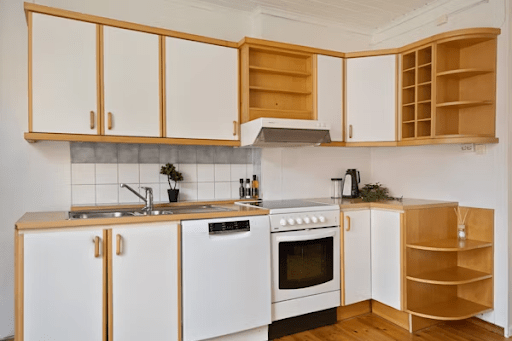
The question becomes: when is it time to renovate rather than just reorganise? Signs include cabinets that won’t close properly, benchtops that are damaged beyond repair, appliances that are failing, or a layout that creates bottlenecks when multiple people need to use the space. If you’re constantly working around problems rather than working efficiently, that’s your answer.
Kitchen renovations feel overwhelming because the kitchen is so central to daily functioning. You can’t just close off a bedroom for a few weeks; you need to keep feeding your family throughout the process. This is why working with experienced kitchen renovators Melbourne professionals who understand family timelines makes such a difference. They’ve managed these projects before, they know how to minimize disruption, and they can help you think through what will actually serve your family rather than just what looks good in magazines.
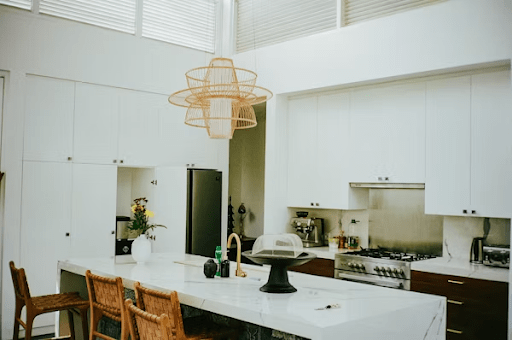
The best family kitchen renovations focus on practical improvements first. More storage so benchtops aren’t permanently cluttered. Better lighting so you can actually see what you’re doing. Durable surfaces that can handle daily use without showing every mark. An island or peninsula that creates more workspace and a natural gathering spot. These aren’t glamorous talking points, but they’re what actually improves daily life.
Material choices matter enormously. That gorgeous marble might look stunning in design photos, but it stains easily and requires constant maintenance—not ideal when you’re dealing with kids and busy mornings. Similarly, very dark colours show every crumb and fingerprint, while very light colours show every stain. Mid-tones with some variation or pattern tend to be most forgiving.
Think about your family’s specific needs too. If your kids are young, lower drawers for their plates and cups means they can help set the table and put away dishes, building independence while reducing your workload. If you’ve got teenagers, a second small sink or beverage station stops traffic jams. If you work from home, a small desk nook in the kitchen means you can supervise homework while managing your own work.
Budget is obviously a factor for most families. A complete renovation might not be possible right now, but sometimes strategic updates make a big difference. New cabinet fronts and hardware can transform the look without the cost of all-new cabinetry. A fresh coat of paint specifically formulated for kitchens brightens everything. Updating just the benchtops while keeping existing cabinets might give you the functionality you need at a fraction of the cost.
Bringing It All Together: Creating Cohesion
One of the challenges in family homes is maintaining any sense of style when there’s kid stuff everywhere. I’m not suggesting your home should look like a museum—that’s neither realistic nor comfortable for anyone. But there are ways to create cohesion so the space feels intentional rather than chaotic.
Colour is your friend here. Choose a simple palette for your main pieces and stick to it. This doesn’t mean everything matches exactly—that actually looks more formulaic than stylish—but having a consistent colour story means new additions don’t jar. If your main palette is warm neutrals with blue accents, you can add pieces over time and they’ll feel like they belong together.
Texture adds interest without adding clutter. This is where natural materials really shine. A wool throw, a jute rug, linen cushions, timber furniture—these varied textures create depth and interest even when everything’s in a neutral palette. They also tend to look better with wear, developing character rather than just looking shabby.
Storage is obviously critical in family homes, but it doesn’t have to look institutional. Baskets, ottomans with internal storage, window seats with lift-up lids, and built-in shelving can all provide storage while contributing to your overall design. The goal is having designated places for things so tidying up is straightforward rather than a major production.
Lighting deserves more attention than most people give it. The right lighting transforms a space. Layer your lighting—overhead for general illumination, task lighting where you need it, and ambient lighting like table lamps and floor lamps to create warmth. Dimmer switches give you flexibility for different times of day and activities. Good lighting makes everything look better, including tired parents at the end of a long day.
Don’t underestimate the impact of simply maintaining what you have. Regular decluttering, keeping up with small repairs, and proper cleaning of surfaces and textiles means your home always presents well even if it’s not perfect. A clean, clutter-free space with basic furnishings often feels better than an expensively decorated space that’s overwhelmed with stuff.
Personal touches make a house feel like your home rather than a showroom. Family photos, kids’ artwork (framed or on a dedicated display system), collections of meaningful objects—these things tell your family’s story. The trick is curating rather than displaying everything. Rotate what’s on show, frame things properly, and create deliberate displays rather than random clutter.
Small Changes, Big Impact
You don’t need to do everything at once. In fact, living with your space and making gradual improvements often leads to better outcomes than rushing into major changes. Pay attention to what frustrates you daily—that’s usually where to start. Can’t you find anything in your kitchen cupboards? Maybe a cabinet organisation system would make more difference than a cosmetic update. Are your feet always cold on the floor? A new rug might be the answer. Is the morning chaos in the kitchen driving you mad? Perhaps it’s time to think about a renovation.
The homes that work best for families aren’t necessarily the biggest or most expensive. They’re the ones where thought has gone into how the family actually lives—where there’s space for mess but also space for peace, where things are durable enough to handle daily use, and where everyone feels comfortable. They’re homes that have evolved to serve their families rather than homes where families constantly have to tiptoe around the décor.
Whatever improvements you’re considering, keep your family’s real needs at the centre of decisions. That might mean choosing the practical option over the trendy one. It might mean spending more upfront for something that will last. It might mean waiting a bit longer to do things properly rather than rushing into quick fixes. Trust your instincts about what will actually make life easier versus what just looks good in theory.
Your home should support your family life, not complicate it. When you make choices—whether that’s selecting textiles, finding the right floor coverings, or updating worn-out spaces—with both function and comfort in mind, you create a home that works for today while being flexible enough for tomorrow. And honestly, that’s worth more than any design trend.


